
5 Gardening Products That Actually Make a Difference This Season (Not Just Hype)
Walk into any garden center or search gardening supplies online and you’ll quickly notice something: there is no shortage of products promising miracle results. Bigger harvests, greener leaves, explosive roots, pest-free gardens, perfect seedlings, faster growth. If even half of it were true, every backyard would look like a commercial farm.
The reality is more grounded. Some gardening products are genuinely useful. Others are unnecessary clutter with attractive packaging. The challenge for new and experienced growers alike is figuring out which items actually solve problems and which ones mostly solve marketing goals.
That is where this list comes in.
These five gardening products are not magic bullets, and they will not replace good soil, sunlight, timing, or effort. But they can make certain jobs easier, reduce common mistakes, and improve results in ways that many gardeners notice quickly. Whether you grow vegetables, herbs, flowers, or a few containers on the deck, these are products worth understanding before the season gets busy.
1. Soil Tester (Moisture / pH Meter)
One of the most common gardening mistakes is guessing. People guess when soil is dry, guess whether plants need water, guess if the pH is acceptable, and guess why something looks stressed. Sometimes guessing works. Often it does not.
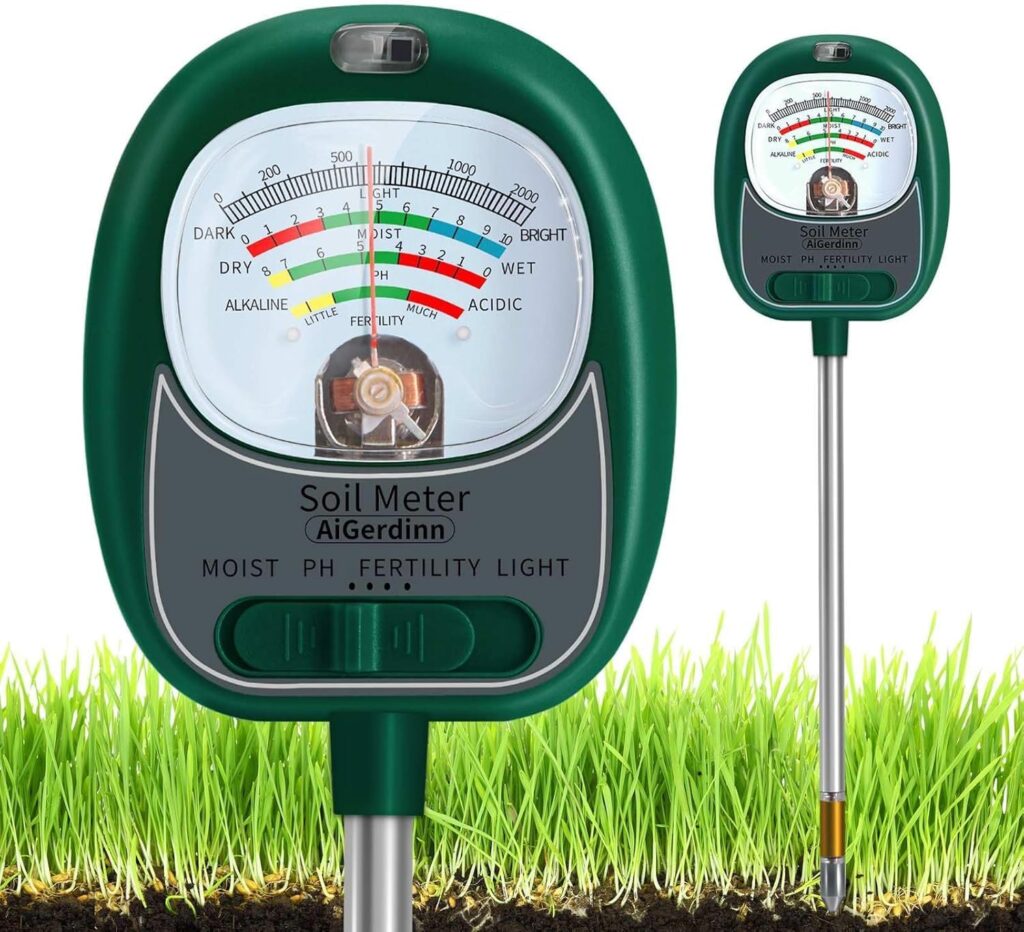
A simple soil tester can remove some of that uncertainty. Many affordable models measure moisture, and some also estimate pH and light levels. While budget testers are not laboratory instruments, they can still be useful for spotting patterns. If you constantly overwater containers or struggle with inconsistent beds, a tester can save plants and frustration.
One of the most common gardening mistakes is guessing. People guess when soil is dry, guess whether plants need water, guess if the pH is acceptable, and guess why something looks stressed. Sometimes guessing works. Often it does not.
A simple soil tester can remove some of that uncertainty. Many affordable models measure moisture, and some also estimate pH and light levels. While budget testers are not laboratory instruments, they can still be useful for spotting patterns. If you constantly overwater containers or struggle with inconsistent beds, a tester can save plants and frustration.
This is especially helpful for beginners because overwatering is incredibly common. Wilted plants are often watered more, even when the real issue is soggy roots. A moisture reading can help break that cycle.
A soil tester is also useful when growing tomatoes, peppers, herbs, and container plants where watering mistakes show quickly. In raised beds, it can help compare wetter and drier zones.
Honest Verdict
These tools are useful guides, not perfect truth machines. Use them alongside observation, not instead of observation.
2. Rooting Hormone Gel
Many gardeners do not realize how many plants can be cloned from cuttings. Herbs, tomatoes, hydrangeas, roses, figs, berries, pothos, coleus, and countless others can often produce roots from trimmed stems. That means one healthy plant can become several.
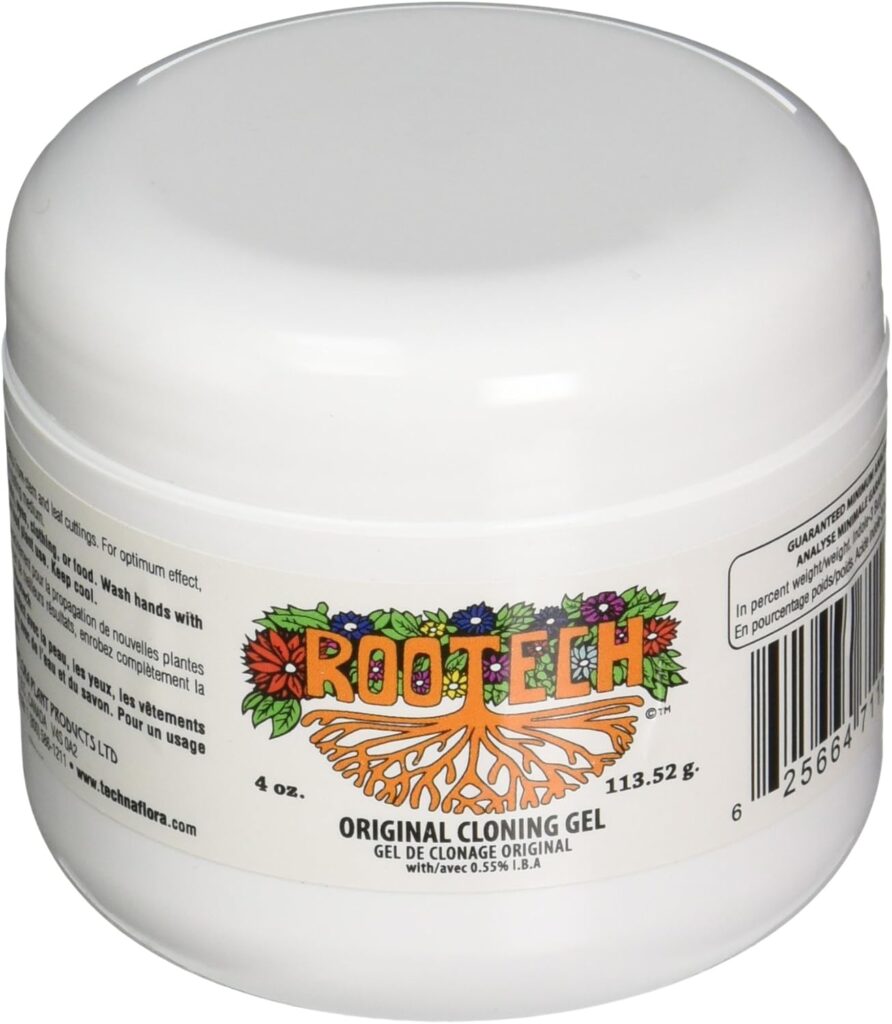
Rooting hormone gel helps speed and improve that process. You dip the freshly cut stem into the gel, then place it into moist growing medium or water depending on the plant. The gel contains hormones that encourage root formation while coating the cut area.
This is one of those products that sounds gimmicky until you use it properly. While some plants root easily without help, slower or woodier plants often benefit from the extra push. If you enjoy multiplying herbs or taking tomato suckers and turning them into bonus plants, rooting gel can feel surprisingly effective.
For budget-minded growers, it can also save money. Propagating your own plants is often cheaper than buying more starts.
Honest Verdict
Not essential for every plant, but genuinely useful if you propagate regularly.
3. Timer Plug for Grow Lights
This may be the least glamorous item on the list, but it might be the most practical.
Many people start seeds indoors with lights and then manage them manually for a week or two. Then life gets busy. Lights stay on too long, turn on too late, or get forgotten entirely. Seedlings respond to inconsistency more than people think.
A simple outlet timer plug solves this problem. You plug your grow light into the timer, set your schedule, and let it run automatically. Most seedlings do well with roughly 14 to 16 hours of light daily depending on setup and intensity.
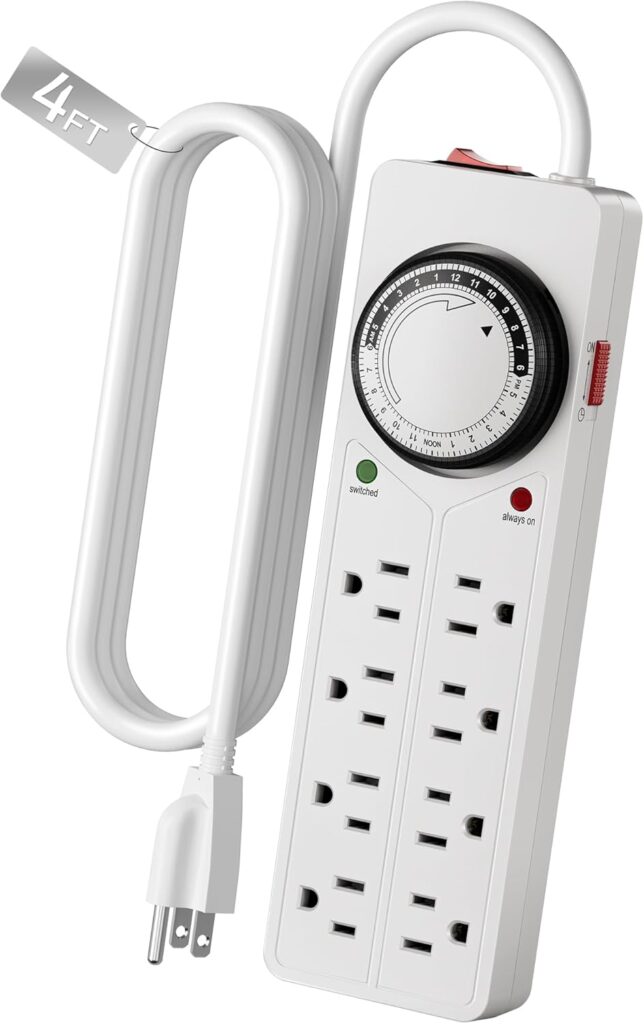
The beauty of this product is that it removes friction. Instead of remembering every morning and night, the system simply works. That consistency helps seedlings stay compact and healthy while saving mental energy.
For anyone running shelves, racks, or multiple trays indoors, this becomes one of those small purchases that quietly improves everything.
Honest Verdict
Not exciting, but incredibly useful. Convenience often creates consistency.
4. Seedling Heat Mat
Some seeds germinate happily in cool rooms. Others can be stubborn, slow, or inconsistent when temperatures stay low. Peppers are famous for this. Tomatoes usually appreciate warmth too, along with basil and other heat-loving plants.
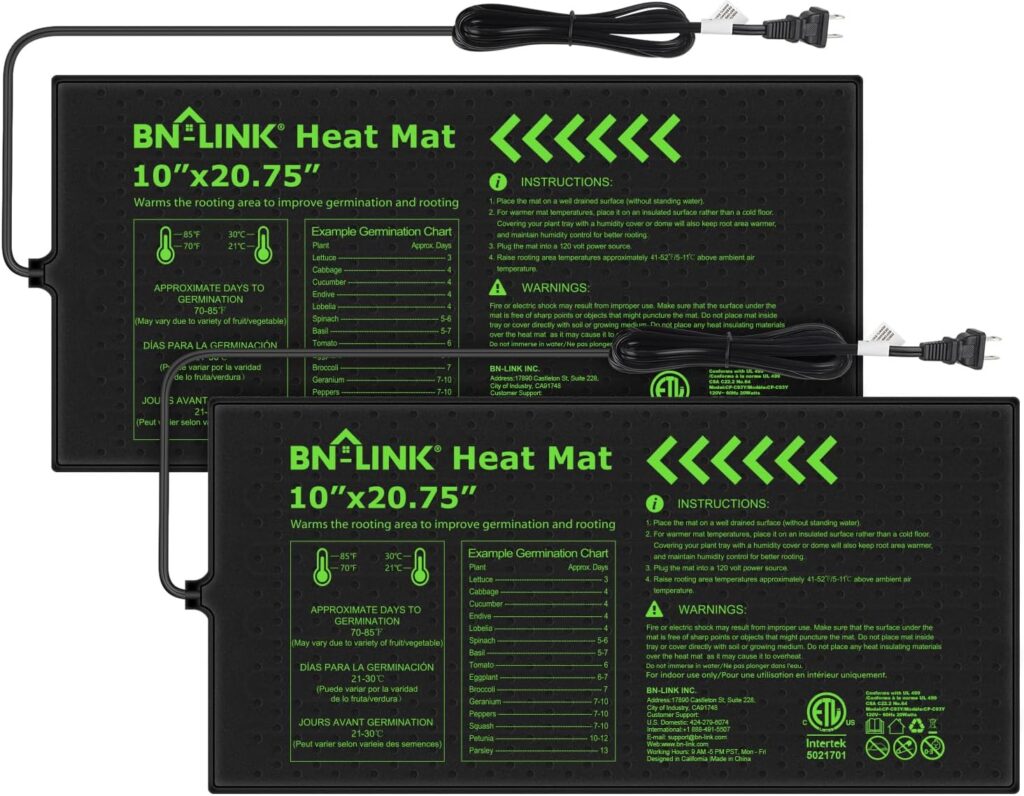
A seedling heat mat gently warms the trays from below, helping soil temperatures reach a range many seeds prefer. That often leads to faster sprouting and more even germination.
For gardeners in colder climates or cool basements, heat mats can make a noticeable difference. Without one, pepper seeds may seem asleep forever. With one, they often wake up much faster.
This does not mean you need to bake your seedlings. Once seeds germinate, many growers reduce or remove bottom heat and focus more on light and airflow. The mat is often most valuable during the germination stage.
Honest Verdict
Highly useful if your indoor space runs cool or you start peppers and warm-season crops.
5. Mycorrhizal Root Booster
Now to the mysterious one.
Mycorrhizae are beneficial fungi that form relationships with plant roots. In simple terms, the fungi help roots access water and nutrients in exchange for sugars from the plant. It is one of nature’s oldest partnerships and happens widely in healthy soils.
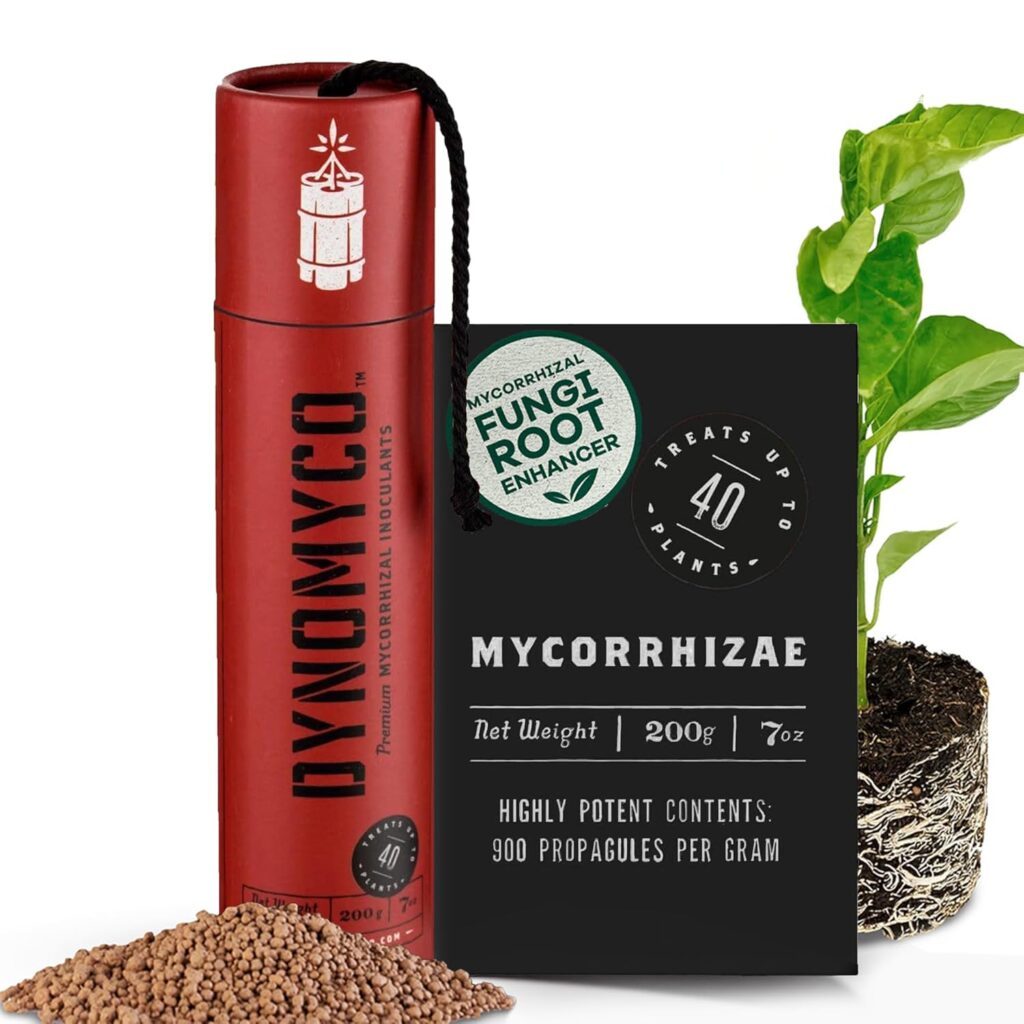
Mycorrhizal root booster products contain spores or blends designed to introduce these beneficial fungi around roots during transplanting or planting. Gardeners typically dust roots, mix it into planting holes, or blend it into soil depending on the product.
Why do people use it? Because stronger root systems often mean better transplant success, improved drought tolerance, and more efficient nutrient uptake. Many gardeners swear by it for trees, shrubs, vegetables, peppers, tomatoes, cannabis, berries, and stressed transplants.
Now for the balanced truth: results vary. If your soil is already rich with active biology, dramatic changes may be less noticeable. If your soil is poor, disturbed, sterile, or container-based, benefits may be easier to see.
That makes this product more interesting than gimmicky. It is based on a real biological relationship, not fantasy marketing.
Good Amazon Search Options
- Great White Mycorrhizae
- Myco Bliss Mycorrhizal Inoculant
- Xtreme Gardening Mykos
Honest Verdict
Potentially very useful, especially during transplanting. Not magic, but rooted in real soil science.
Which One Should You Buy First?
If you are brand new to gardening, start with the item that solves your biggest current problem.
If you overwater plants or struggle reading soil, start with a soil tester. If you start seeds indoors, get a timer plug or heat mat. If you love cloning herbs or tomatoes, rooting gel makes sense. If transplants often stall after planting, the mycorrhizal booster may be worth trying.
Too many people buy products before identifying problems. Reverse that habit and you’ll waste less money.
What These Products Will Not Fix
No product can fully compensate for these common issues:
- Poor sunlight
- Wrong plant for your climate
- Terrible soil structure
- Severe neglect
- Bad timing
- Chronic overwatering
- Unrealistic expectations
Gardening still rewards fundamentals first.
Final Verdict: Are Any Gardening Products Actually Worth Buying?
Yes—but only some of them.
The best gardening products do not pretend to replace skill. They support skill. They remove friction, improve consistency, or help plants during critical stages like germination, rooting, and transplanting.
That is why these five stand out. They each solve a real problem many gardeners face every season. None are miracle cures, but all can earn their place when used properly.
If I had to pick the most underrated item on this list, it might be the timer plug. If I had to pick the most intriguing, it would be the mycorrhizal root booster. If I had to pick the most beginner-friendly, it would be the soil tester.
And if I had to offer one final piece of advice, it would be this: buy fewer products, but buy smarter ones.
That strategy works in gardening too.