
I’ve spent enough time in the Canadian bush to know one hard truth: it doesn’t care how confident you are.
You can be fit. You can be experienced. You can have camped a hundred times before.
But the bush doesn’t negotiate.
Weather flips fast. Nights get colder than you expect. Mosquitoes test your sanity. And once you’re wet and tired, small mistakes compound.
So if you told me I had to survive 72 hours in the Canadian wilderness with nothing but what fits in an oversized school backpack — not a giant expedition pack, just a realistic bug out bag — this is exactly what I would carry.
Not fantasy gear.
Not Instagram bushcraft.
Not 60 pounds of gadgets.
Just what works.
And every item earns its place.
The Rule of Three: What Matters First
Before we even get into gear, remember the survival priorities:
- You can survive 3 minutes without air
- 3 hours without shelter in harsh conditions
- 3 days without water
- 3 weeks without food
Notice what’s missing at the top.
Food.
Most people overpack food and underpack shelter and insulation. That’s backwards — especially in Canada.
For 72 hours, your focus is:
- Shelter from cold and wet
- Reliable fire
- Clean water
- Enough calories to function
- Navigation and signaling
Everything in the bag supports those pillars.
The Pack Itself
I’d use a sturdy 30–35L backpack. Nothing tactical-looking. Nothing flashy.
Just durable, neutral, comfortable.
Why?
Because in real emergencies, blending in matters. And comfort matters more than style.
Inside that bag, everything must serve a purpose — ideally more than one.
1. Shelter & Insulation (Top Priority in Canada)
If I’m dropped into the Canadian bush — whether it’s Ontario, Quebec, or farther north — I assume two things:
It will rain.
It will get colder at night.
Even in summer.
So here’s what goes in the bag:
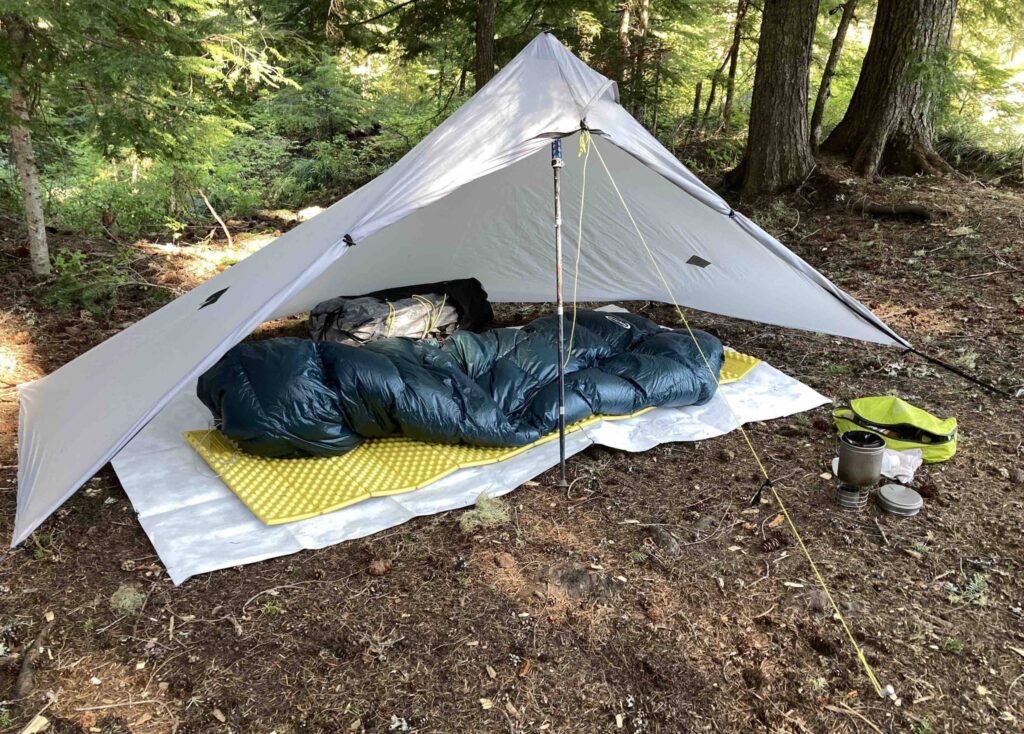
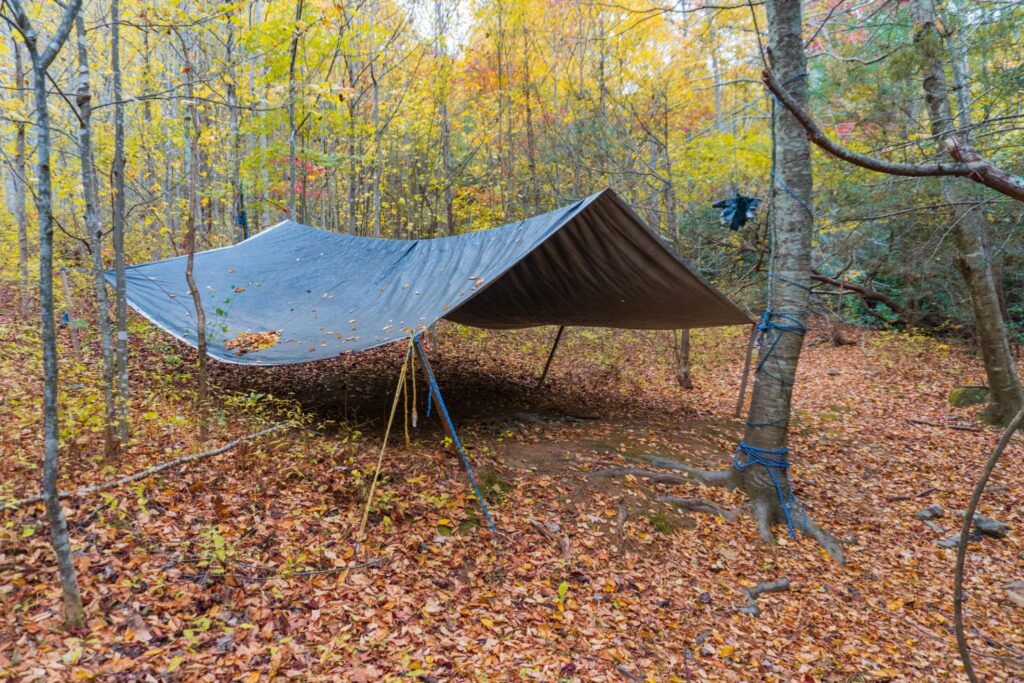
- 10×10 lightweight tarp — creates shelter, windbreak, rain cover, groundsheet, or gear cover. A tarp is more versatile than a tent and lighter.
- Paracord (50 ft minimum) — ridgeline setup, repairs, traps, gear tie-downs.
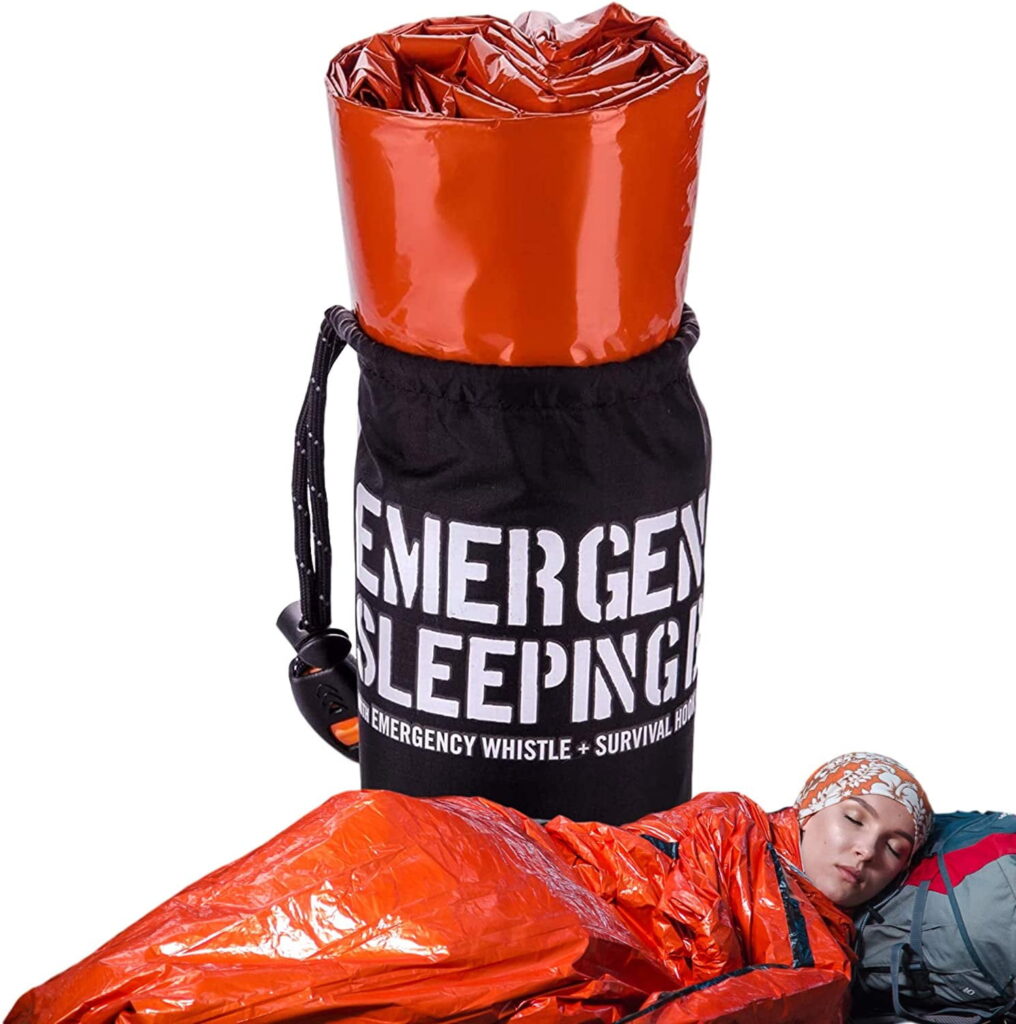
- Compact bivy sack (preferably reflective interior) — traps body heat and blocks wind; lifesaver if temperatures drop unexpectedly.
- Closed-cell foam sleeping pad (trimmed) — insulation from ground; the ground steals heat faster than air.
- Wool socks (extra pair) — dry feet prevent blisters and hypothermia.
- Lightweight toque and gloves — even in shoulder seasons, nighttime chill can bite.
The bush in Canada isn’t just about wilderness. It’s about moisture. Cold damp air drains energy. Your system must trap warmth and keep you dry.
Without this layer of preparation, everything else becomes harder.
2. Fire Kit (Redundancy Is Non-Negotiable)
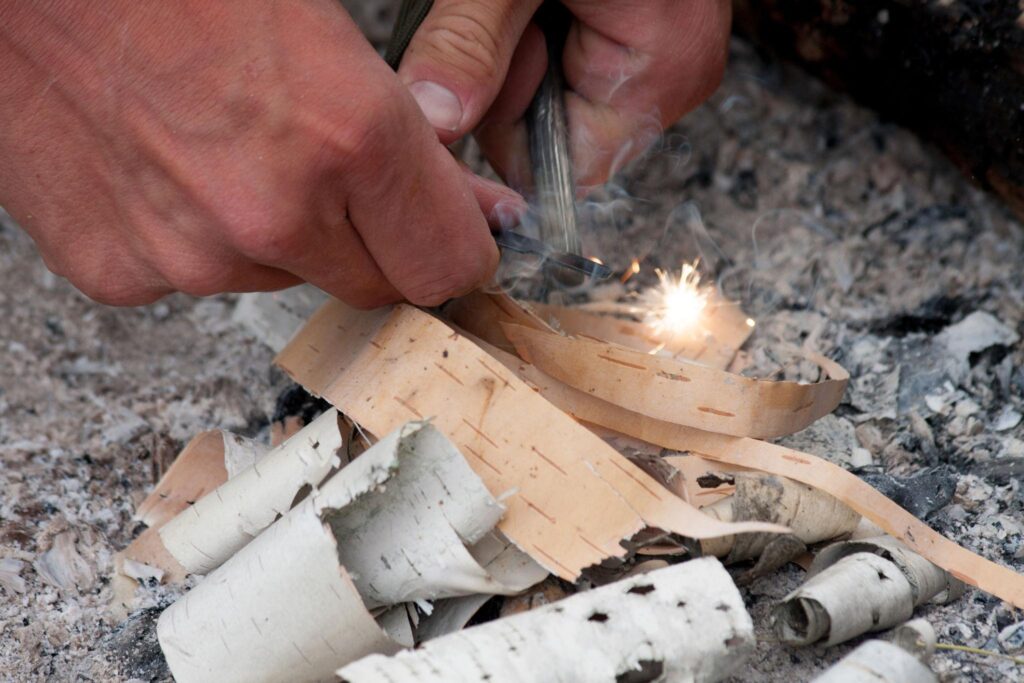
If I only had one morale booster in the bush, it would be fire.
Fire means:
Warmth
Drying clothes
Boiling water
Signaling
Psychological stability
And in Canada, birch bark is your best friend.
My fire kit:
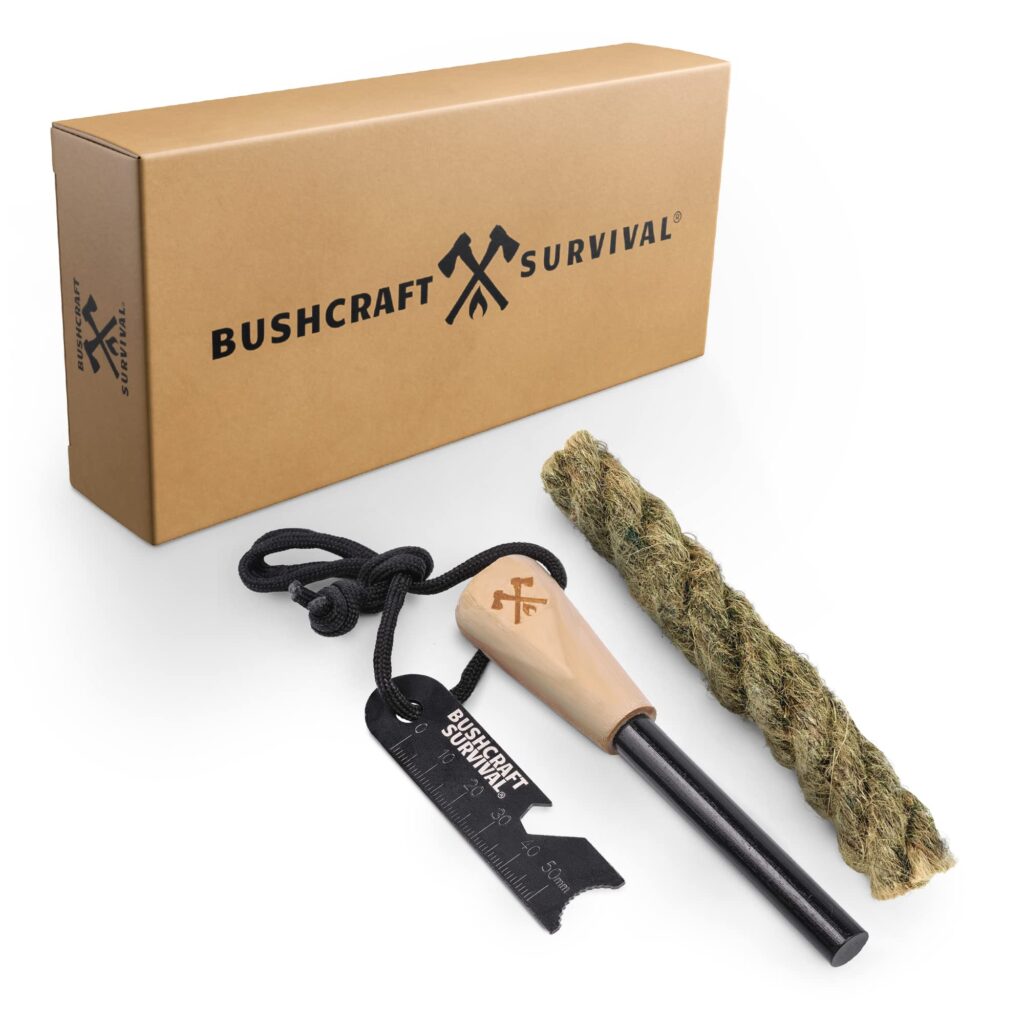
- Ferro rod with striker — works when wet; lasts thousands of strikes.
- Bic lighter (primary quick ignition) — convenience saves energy.
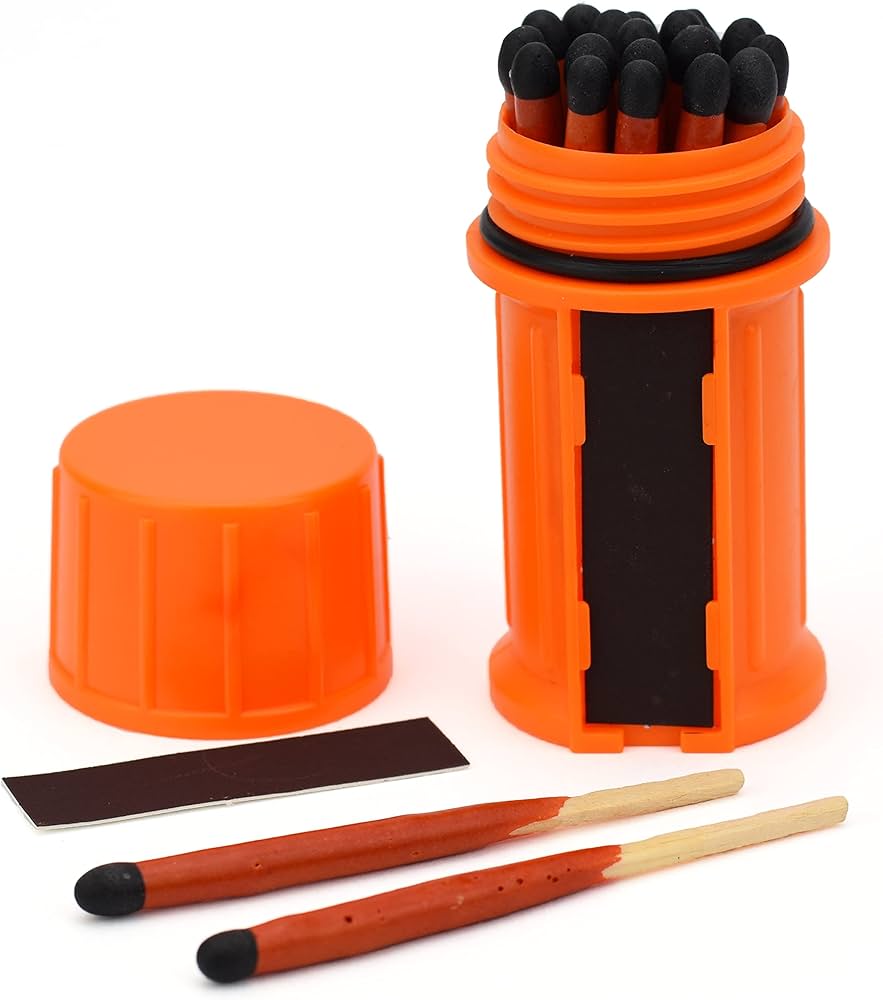
- Waterproof matches — third backup; redundancy prevents disaster.
- Birch bark stored dry in zip bag — natural accelerant; lights even damp.
- Cotton balls with petroleum jelly — burn hot for several minutes; excellent emergency tinder.
A single ignition source is gambling. Three is planning.
3. Water System (Minimal but Effective)
Canada has water almost everywhere.
That doesn’t mean it’s safe.
Giardia doesn’t care how clean the stream looks.
I carry:
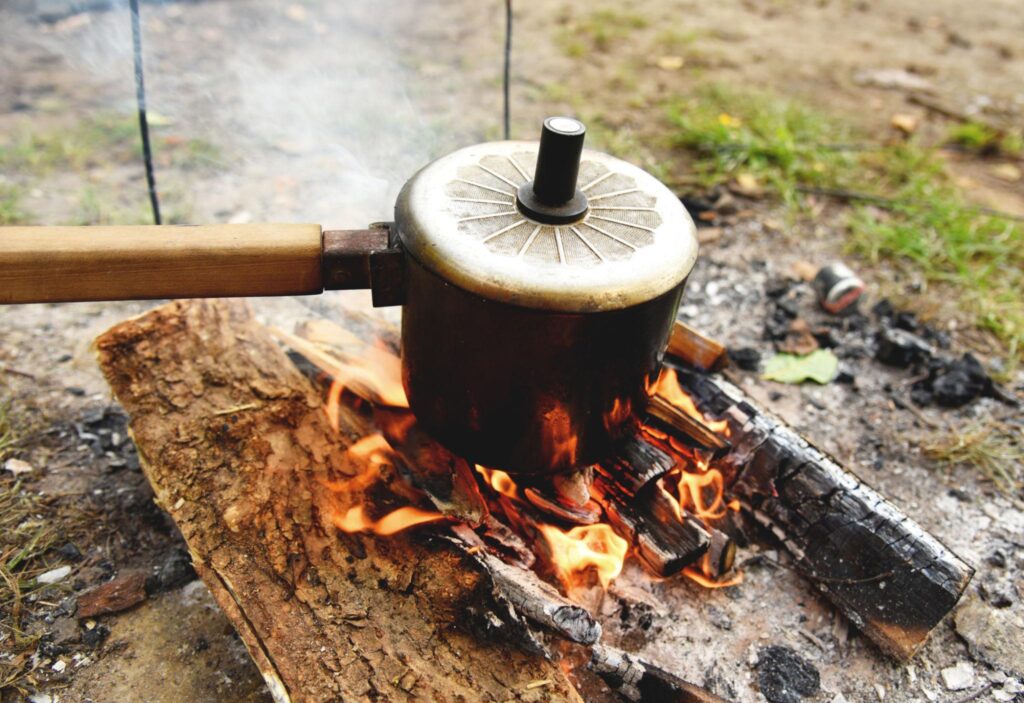
- 1 stainless steel bottle (single wall) — can boil water directly in fire.
- Metal cup that nests around bottle — dual-use cooking vessel.
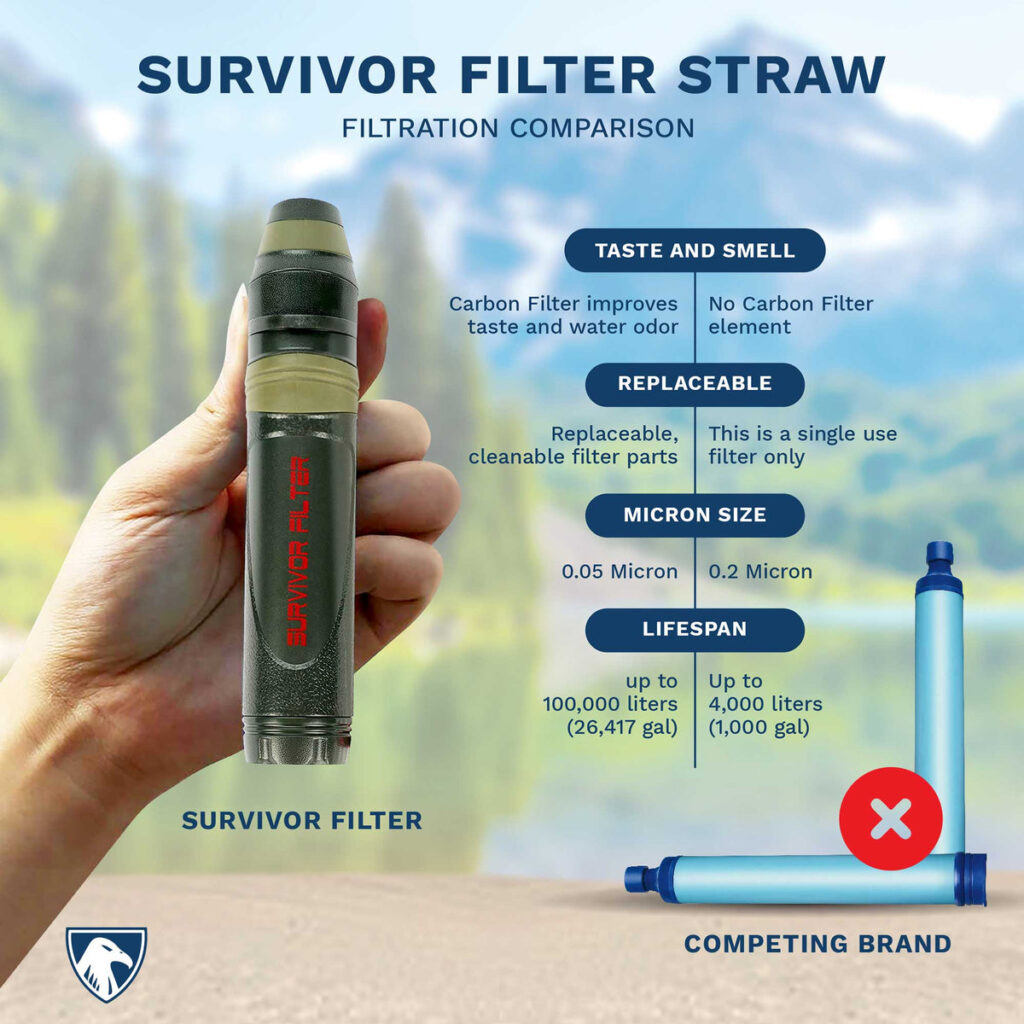
- Compact water filter (Sawyer-style) — quick filtration on the move.
- Water purification tablets — backup in case filter fails.
Boiling is king. Filtration is convenience. Tablets are insurance.
For 72 hours, that’s enough.
4. Food (Energy, Not Comfort)
You do not need gourmet meals for 72 hours.
You need calories that:
- Don’t spoil
- Don’t require elaborate cooking
- Deliver dense energy
My choices:
- High-calorie energy bars — quick fuel.
- Trail mix (nuts + dried fruit) — fats and sugars balance.
- Beef jerky — protein without refrigeration.
- Instant oatmeal packets — morale and warmth when boiled.
That’s it.
No cans. No heavy cookware.
You can function fine for 3 days slightly hungry.
You cannot function cold.
5. Cutting Tools (Controlled & Practical)
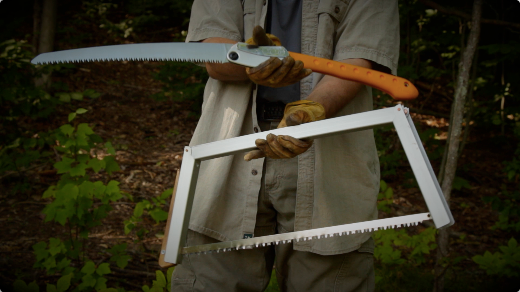
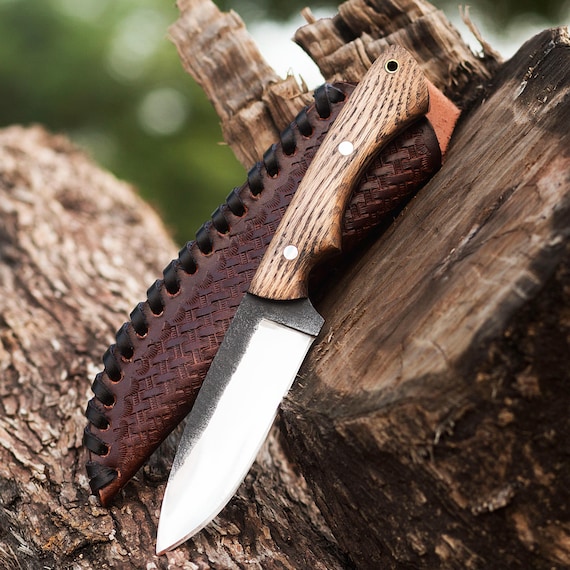
Tools matter — but this is where people overdo it.
You don’t need an axe in a school bag.
You need:
- Fixed blade knife (4–5 inch blade) — batoning, carving, food prep.
- Compact folding saw — safer and more efficient than hacking with a knife.
- Small multitool — repairs, pliers, minor fixes.
The saw saves energy. The knife builds solutions.
6. Navigation & Signaling
If you get turned around in Canadian forest, everything looks the same.
Add fog or rain — it’s worse.
In the bag:
- Baseplate compass — simple and reliable.
- Topographic map (local region) — laminated or in waterproof sleeve.
- Whistle — travels farther than your voice.
- Headlamp (with spare batteries) — hands-free light is critical.
- Small signal mirror — daytime visibility.
Technology fails. Batteries die. Maps don’t.
7. First Aid (Minimal but Serious)
For 72 hours, we’re not building a field hospital.
We’re preventing small injuries from becoming big problems.
Include:
- Compression bandage — bleeding control.
- Blister treatment (moleskin) — walking is survival.
- Pain relievers — inflammation drains morale.
- Antiseptic wipes — infection prevention.
- Tweezers — splinters, ticks.
- Elastic wrap — ankle support if needed.
Most bush injuries are not dramatic. They are irritating and cumulative.
Fix them early.
8. Clothing (Layering Strategy)
You wear most of it.
But in the bag:
- Lightweight rain shell — wind + rain protection.
- Extra base layer shirt — dry layer equals morale boost.
- Buff or neck gaiter — warmth or sun protection.
- Bandana — filter, rag, sling, sweat control.
Layering beats bulk.
9. Small Extras That Matter
- Duct tape wrapped around bottle — repairs anything.
- Small notebook + pencil — route tracking, notes.
- Emergency calorie gel — quick sugar hit if weak.
- Insect repellent (small bottle) — Canadian blackflies are relentless.
- Sunscreen (travel size) — dehydration risk rises in exposed terrain.
What I Deliberately Do NOT Pack
This is important.
I don’t pack:
- Large hatchet
- Massive cook set
- Fishing rod
- Heavy tent
- Multiple knives
- Big solar panels
Because this isn’t camping.
This is controlled survival.
Light, mobile, adaptable.
Canadian-Specific Considerations
Canada adds unique factors:
- Shoulder seasons drop below freezing at night — hypothermia risk even in May.
- Blackflies and mosquitoes affect mental resilience — small repellent bottle goes far.
- Boreal forest ground is often wet — ground insulation is not optional.
- Remote areas lack cell service — analog navigation still matters.
The bush is forgiving to the prepared and brutal to the careless.
Final Thoughts
If I had to walk into the Canadian wilderness for 72 hours with only what fits in a school-sized backpack, this setup would keep me:
Warm
Dry
Hydrated
Calm
Mobile
And that’s the point.
Survival is not about heroics.
It’s about reducing friction.
You remove cold.
You secure water.
You manage calories.
You stay oriented.
And you let the bush pass around you without breaking you.
If you’re building your own 72-hour kit, lay it out on the floor.
Then ask:
What here keeps me warm?
What keeps me dry?
What purifies water?
What signals for help?
If an item doesn’t answer one of those questions, reconsider it.
Because in the Canadian bush, weight equals fatigue.
And fatigue equals mistakes.
And mistakes are what turn 72 hours into something much worse.
good read. I guess I don’t need to pack my tablet.