
The bush rewards the prepared and humbles the careless.
Most people who head into the woods think survival is about big knives, fancy axes, and dramatic fire-starting techniques. It’s not. Survival is about small decisions made early — the kind that prevent problems before they snowball.
After years of time in the Canadian bush — wet springs, blackfly summers, shoulder-season frost — I’ve learned something simple: the smallest hacks often matter most.
These aren’t gimmicks.
They’re friction reducers.
And friction is what turns inconvenience into danger.
Let’s get into it.
1. Use Birch Bark — Even When It’s Wet
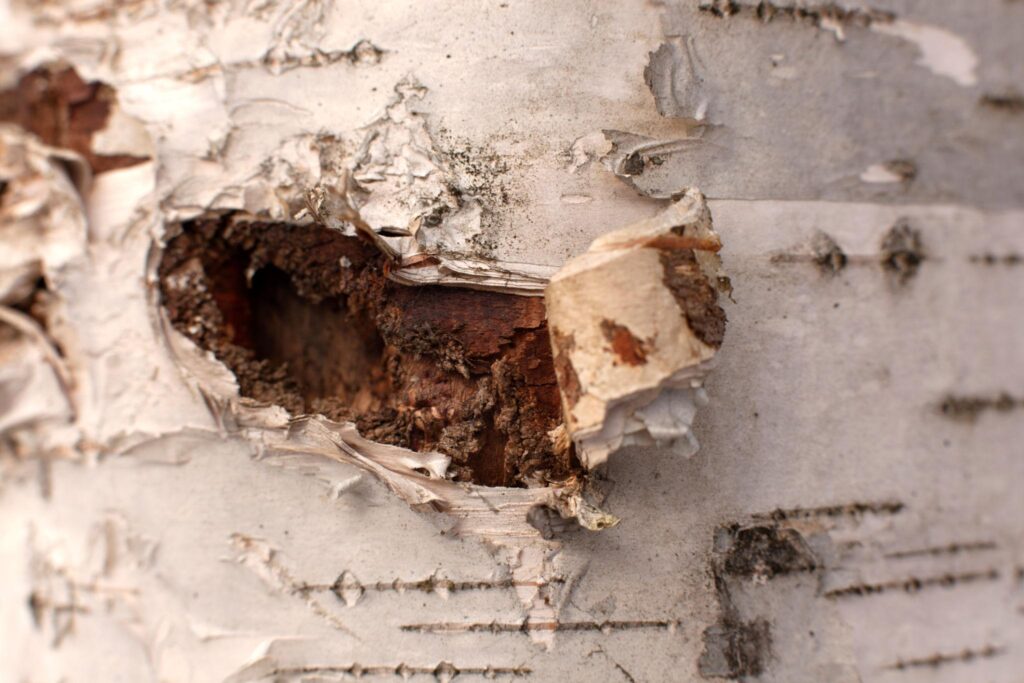
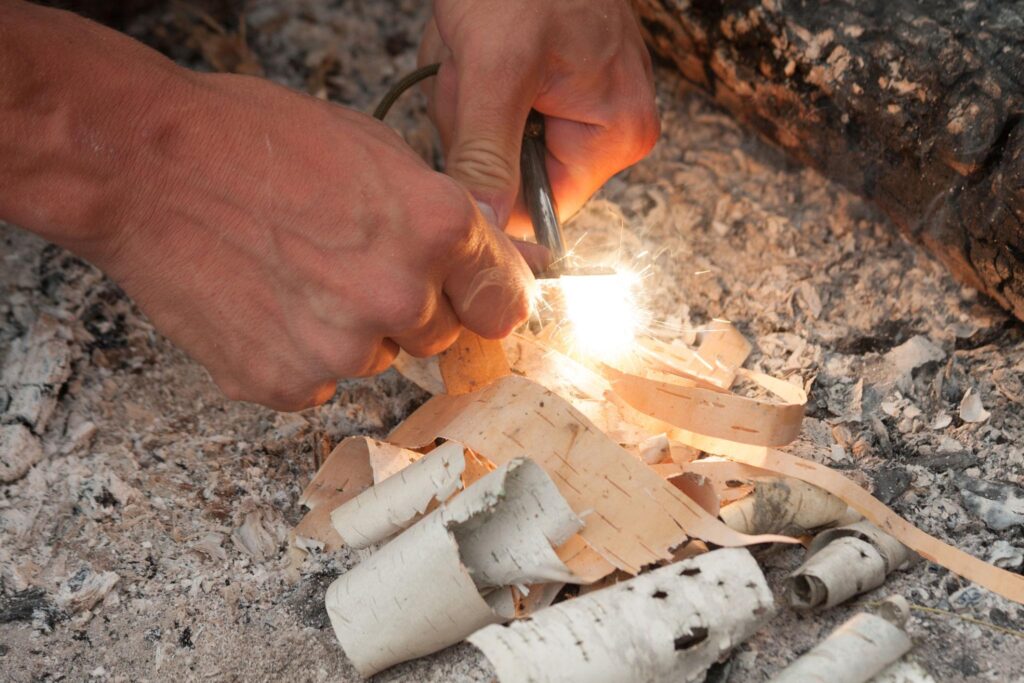
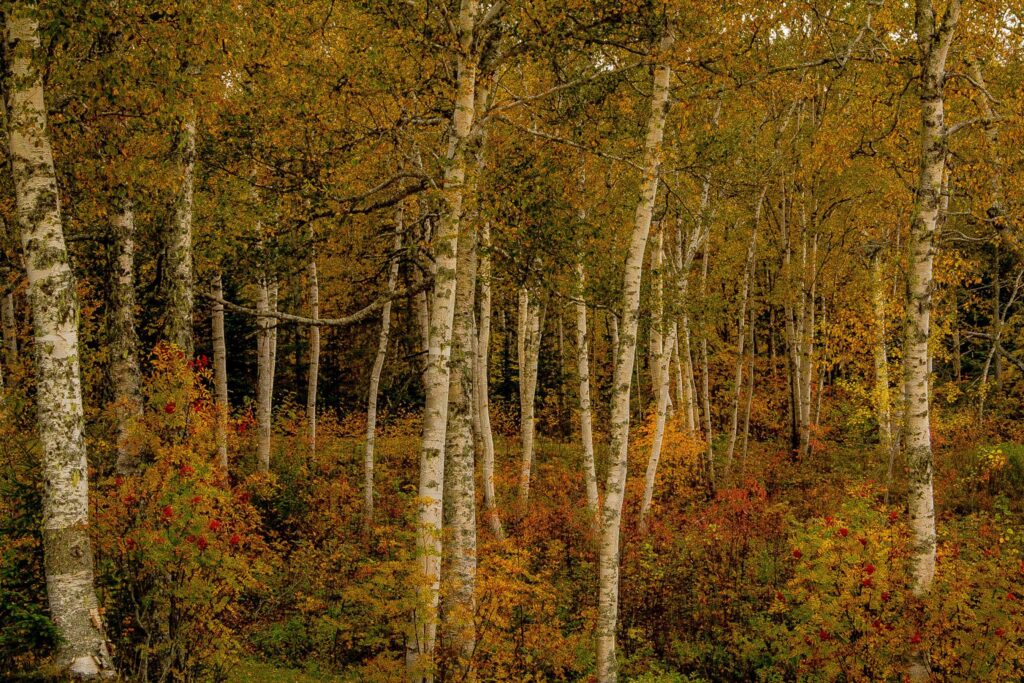
In much of Canada, white birch is your natural fire insurance.
- Birch bark contains natural oils — it ignites even after rain.
- Scrape the inner bark into fine curls — increases surface area.
- Store a dry sheet in your pack — instant emergency tinder.
If you know how to identify birch, you rarely struggle with fire.
2. Insulate From the Ground First
People focus on blankets. That’s backwards.
The ground steals body heat faster than cold air.
- Use spruce boughs, dry leaves, or even your backpack under your torso.
- A simple 2-inch natural debris layer dramatically reduces heat loss.
- In shoulder seasons, this can prevent hypothermia overnight.
If you’re cold, fix the ground contact before adding layers on top.
3. Build Shelter Before It Gets Dark
It sounds obvious.
It’s not.
The moment you think, “I still have time,” that’s when to start.
- Darkness doubles difficulty.
- Fatigue increases mistakes.
- Weather shifts quickly in boreal forests.
Early shelter equals calm mind.
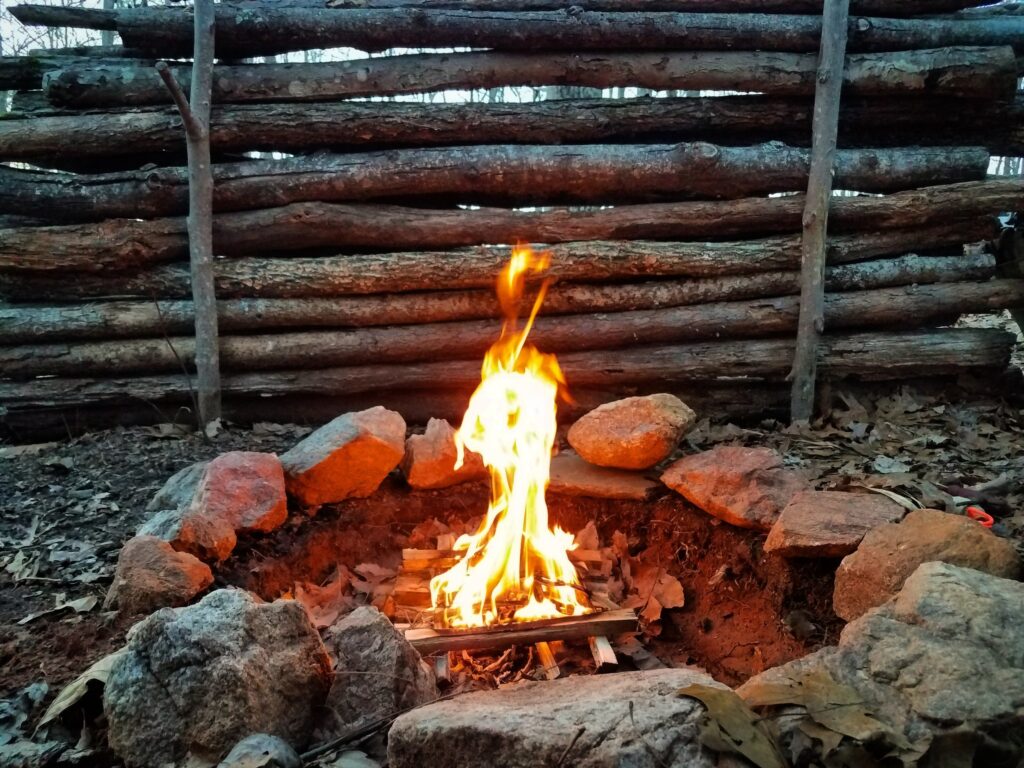
4. Make a Reflective Fire Wall
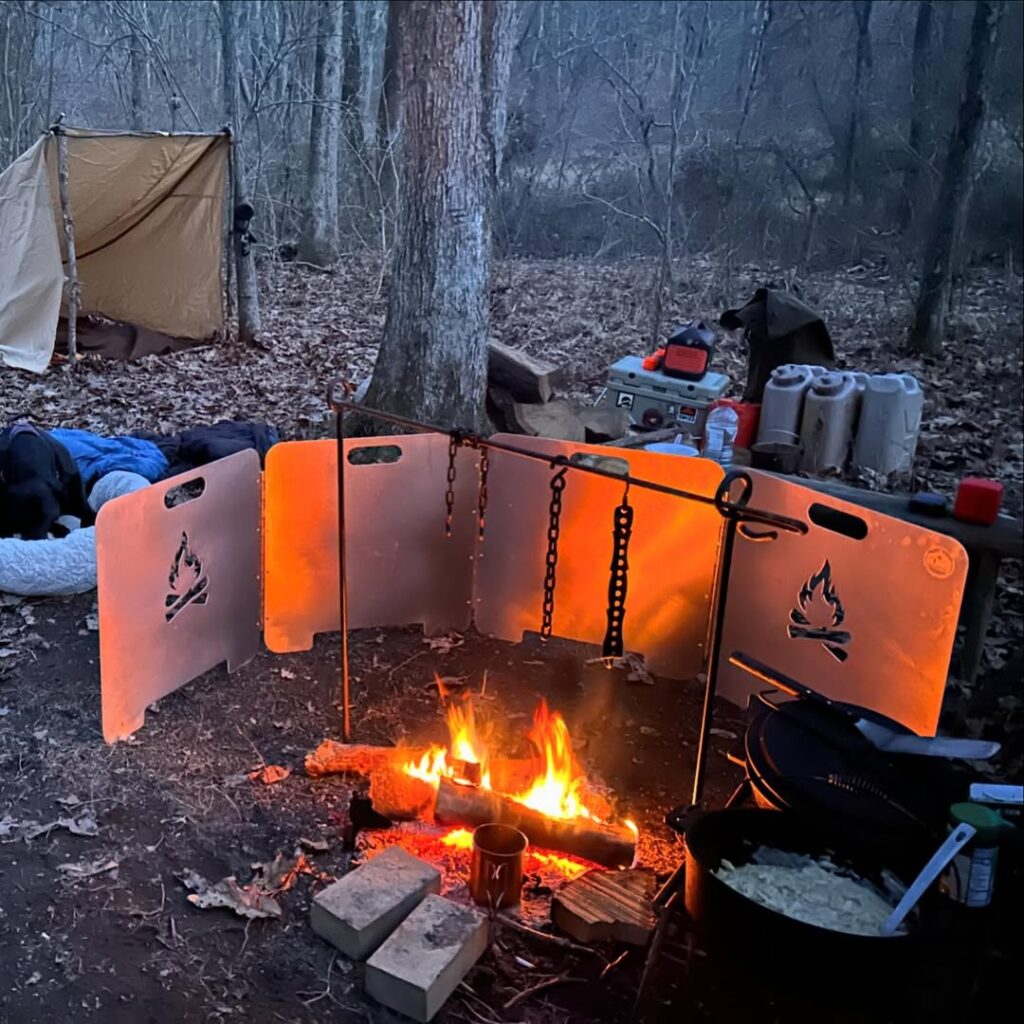
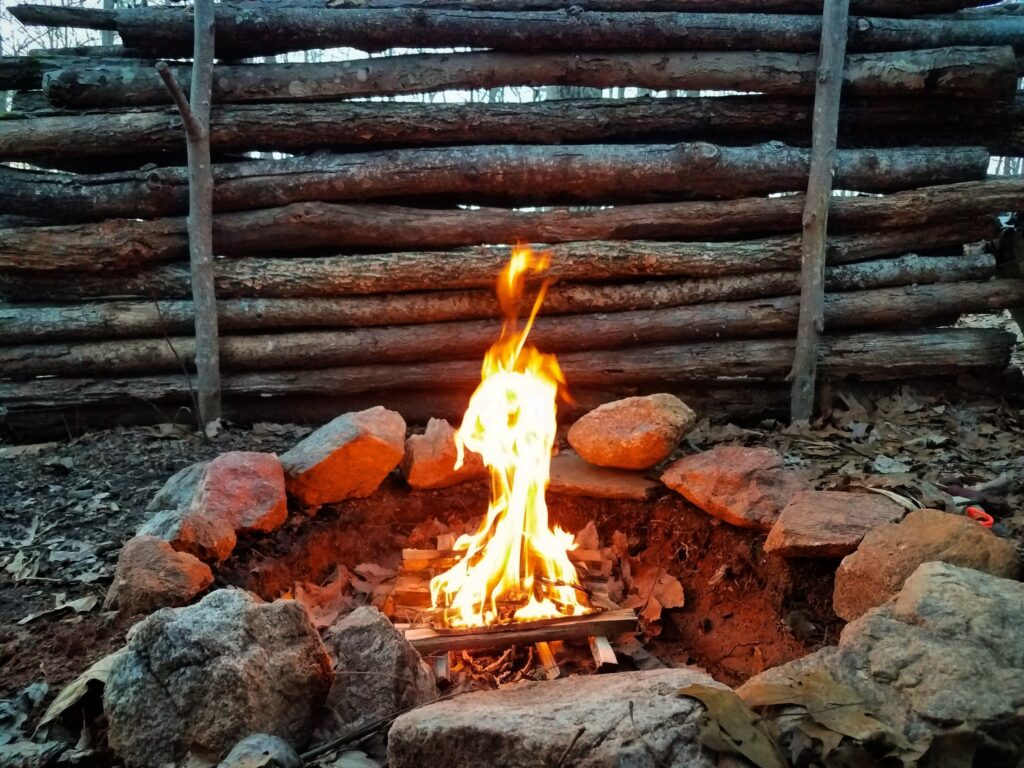
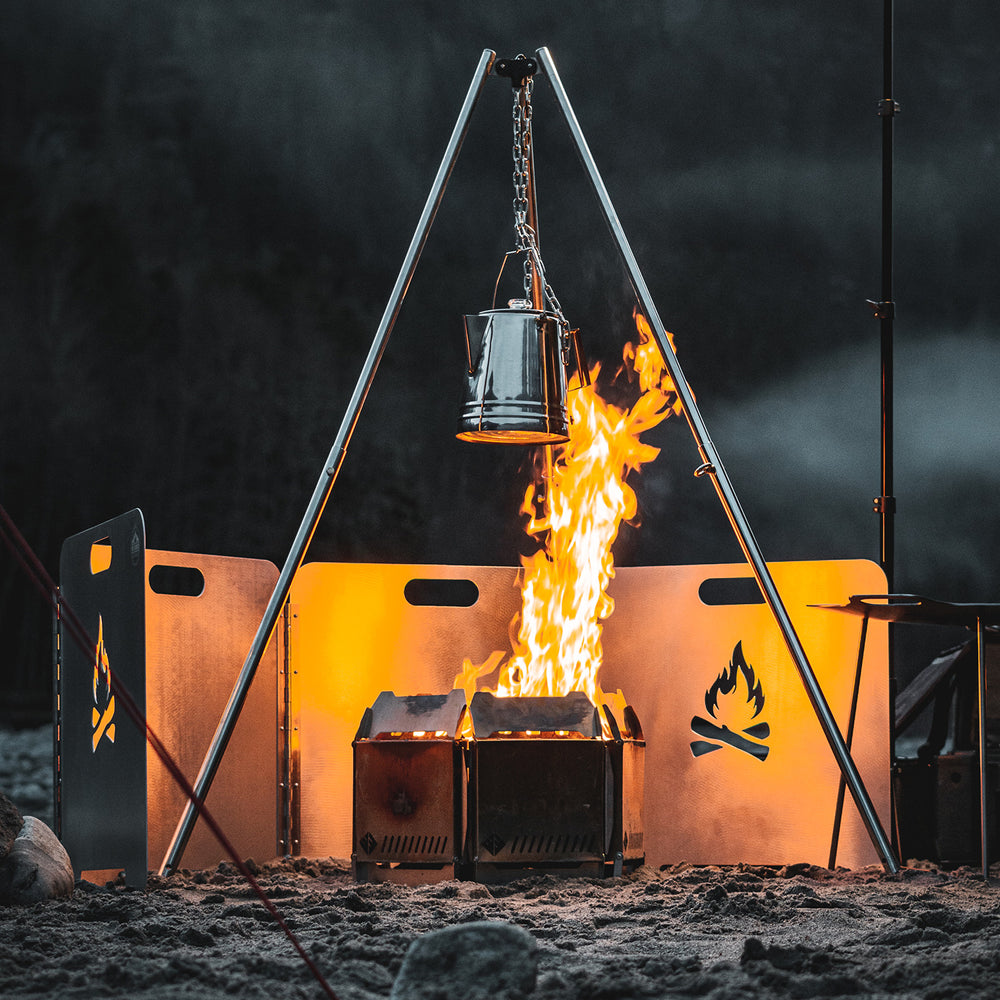
A fire without a reflector wastes half its heat.
- Stack green logs or rocks behind your fire.
- Angle them slightly toward your shelter.
- Reflect radiant heat back toward your body.
This small trick can make a cold night survivable.
5. Pine Needle Tea for Vitamin C
In survival, morale matters.
So does micronutrition.
- White pine needles are high in vitamin C.
- Steep in hot (not boiling) water.
- Avoid yew trees — identify correctly.
This prevents fatigue and gives a mental boost in long stays.
6. Use Your Belt as Emergency First Aid
You don’t carry a tourniquet? You actually do.
- A sturdy belt can apply pressure to serious bleeding.
- A bandana can become a compression wrap.
- Paracord can secure splints.
Improvisation beats panic.
7. Dig a Small Drainage Trench Around Shelter
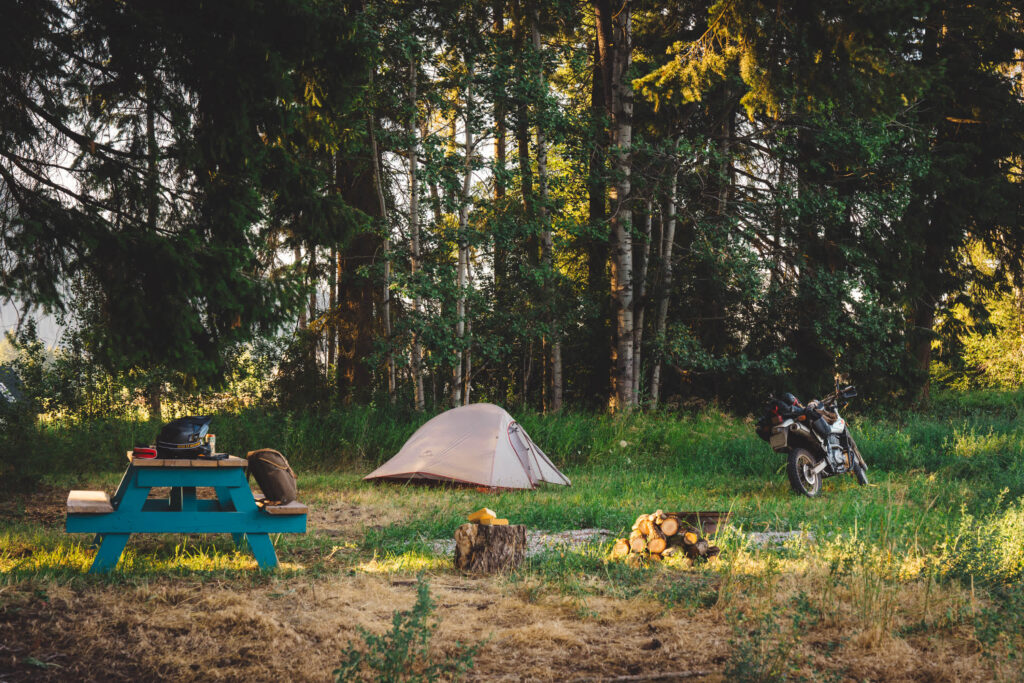
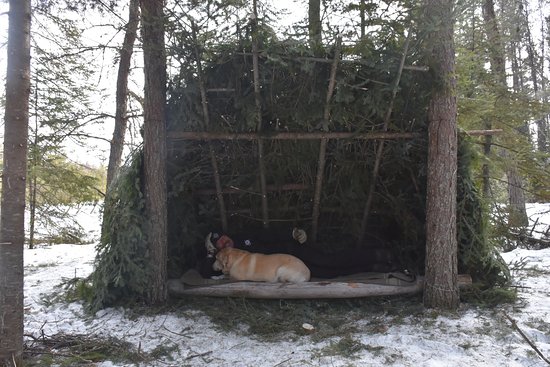
Rain rarely falls politely.
- A shallow trench diverts flowing water.
- Even a boot-heel channel can redirect runoff.
- Prevents waking up soaked at 2 AM.
Water management is survival management.
8. Char Cloth From Cotton
If you have 100% cotton fabric, you can create char cloth.
- Heat cotton in a sealed metal container.
- It becomes ultra-reactive tinder.
- Takes a spark instantly from a ferro rod.
A tiny square can save enormous effort.
9. The “Three Tree Rule” for Orientation
When moving through dense forest:
- Pick three distinct markers behind you.
- Look back frequently.
- Memorize their alignment.
Most people get lost because they never turn around to study their path.
Navigation starts before you’re lost.
10. Store Firewood Before You Need It
Gather wood when you still have daylight and energy.
- Separate tinder, kindling, and fuel.
- Keep it under tarp cover.
- Wet wood ruins morale.
Preparation prevents midnight stress.
11. Always Boil Water — Even if It Looks Clean
Canadian streams look pristine.
They aren’t always.
- Giardia is common in wilderness water.
- Boil for at least 1 minute (longer at elevation).
- Clear water doesn’t equal safe water.
This is a non-negotiable rule.
12. Use Duct Tape for More Than Repairs
Wrap duct tape around your bottle.
It becomes:
- Gear repair patch
- Blister prevention wrap
- Emergency bandage reinforcement
- Temporary gear strap
Few items have that much versatility.
13. Sleep Slightly Elevated
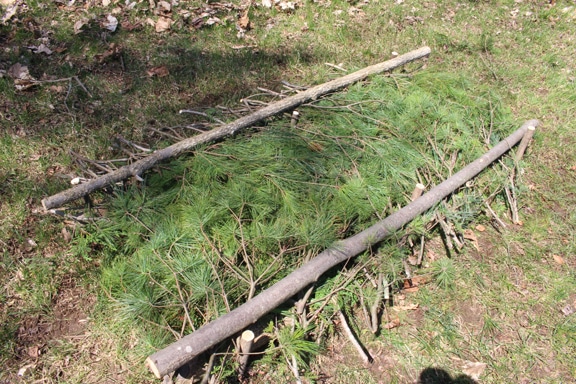
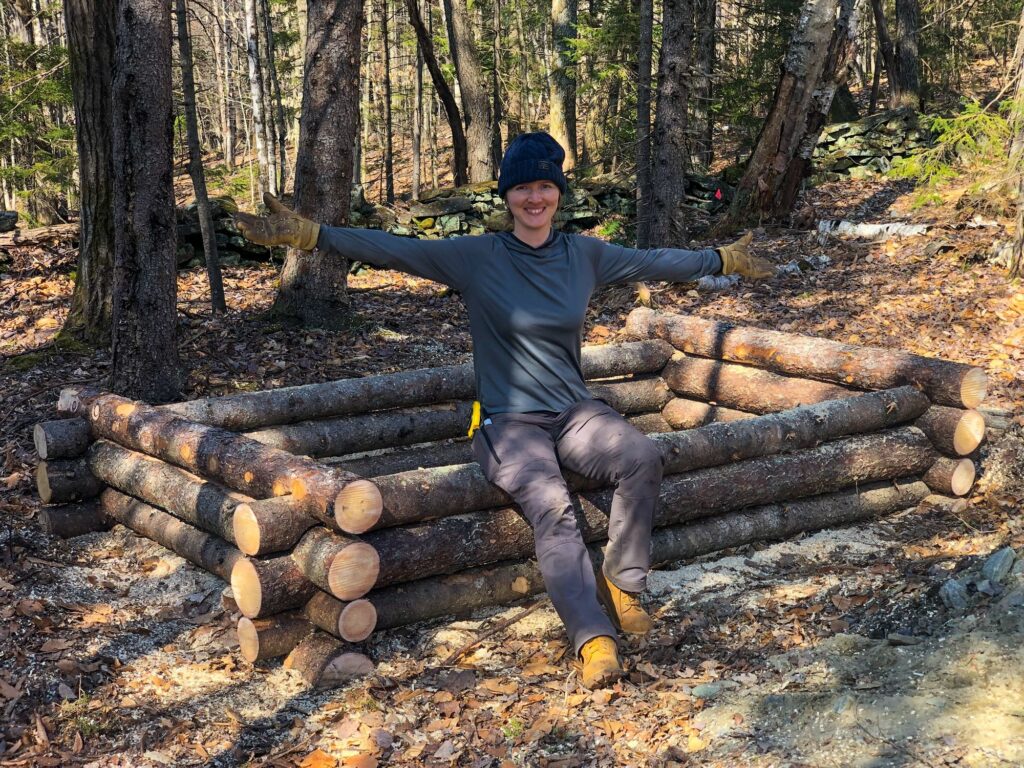
A small raised bed of debris:
- Reduces ground moisture
- Improves insulation
- Increases sleep quality
Better sleep = clearer thinking.
Clear thinking = safer decisions.
14. Manage Insects Before They Break You
Canadian blackflies can wreck morale.
- Light smoke discourages insects.
- Apply mud as temporary barrier.
- Cover wrists and ankles first.
Mental breakdown from insects is real.
Control irritation early.
15. Stop Moving When You Realize You’re Lost
This one saves more lives than gear ever will.
The moment you suspect disorientation:
- Stop.
- Sit.
- Assess calmly.
- Check compass and map.
- Listen.
Panic burns energy and multiplies mistakes.
Stillness restores clarity.
The Pattern You Should Notice
None of these hacks are dramatic.
They are preventative.
They reduce cold.
They reduce wetness.
They reduce confusion.
They reduce fatigue.
Survival is not about toughness.
It’s about reducing variables.
In the Canadian bush, the people who get into trouble are rarely the weakest.
They’re the overconfident.
The woods don’t punish arrogance immediately.
They let it accumulate.
If you internalize even half of these bushcraft hacks, you dramatically increase your margin of safety.
And margin is everything.
——————–LEARN WHAT TO PACK FOR 72-HOUR SURVIVAL HERE——————