
The first year of homesteading isn’t about producing everything.
It’s about building a system that produces consistently.
After more than fifty years living off-grid, I’ve learned that efficiency beats enthusiasm. A well-designed homestead can feed you, heat you, and support you without draining your time or your bank account. A poorly organized one will exhaust you before winter arrives.
The difference isn’t luck. It’s layout, sequencing, and realistic numbers.
If you want the most bang for your buck in year one, you must think like a systems engineer — not a hobby farmer.
Let’s go deeper.
Mistake #1: Expanding Without a Layout Plan
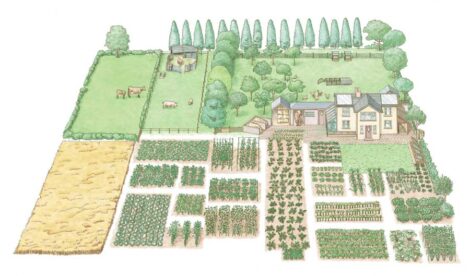
Most beginners scatter projects across their property. The chicken coop ends up far from the garden. The compost pile is uphill. The firewood stack is nowhere near the house.
Every unnecessary step costs time. And time is your most limited resource.
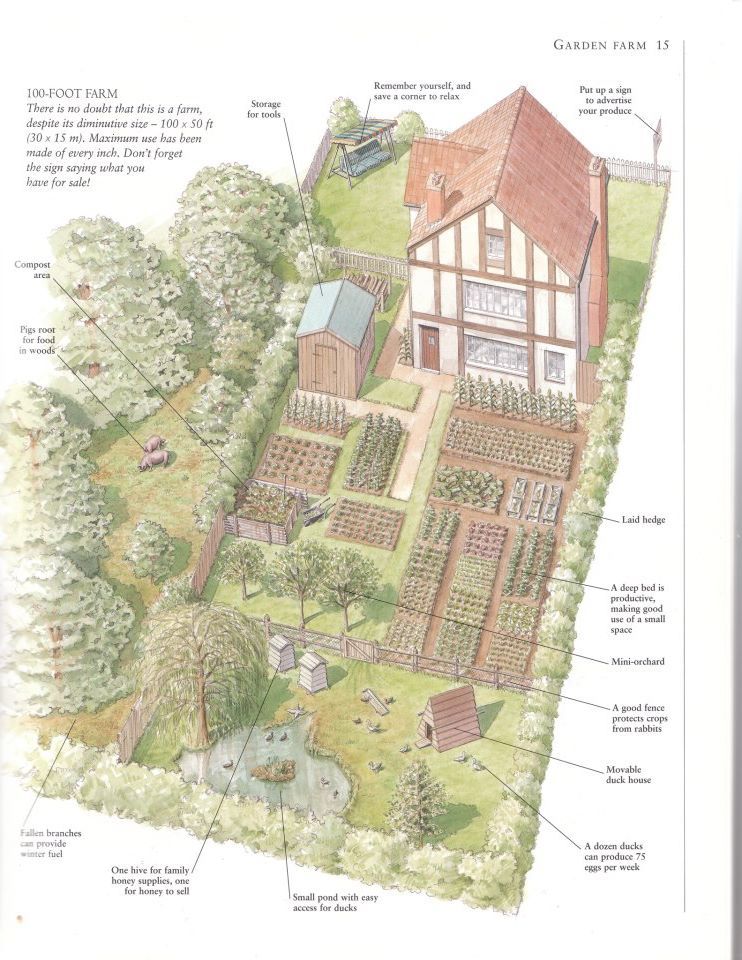
An efficient homestead follows proximity logic:
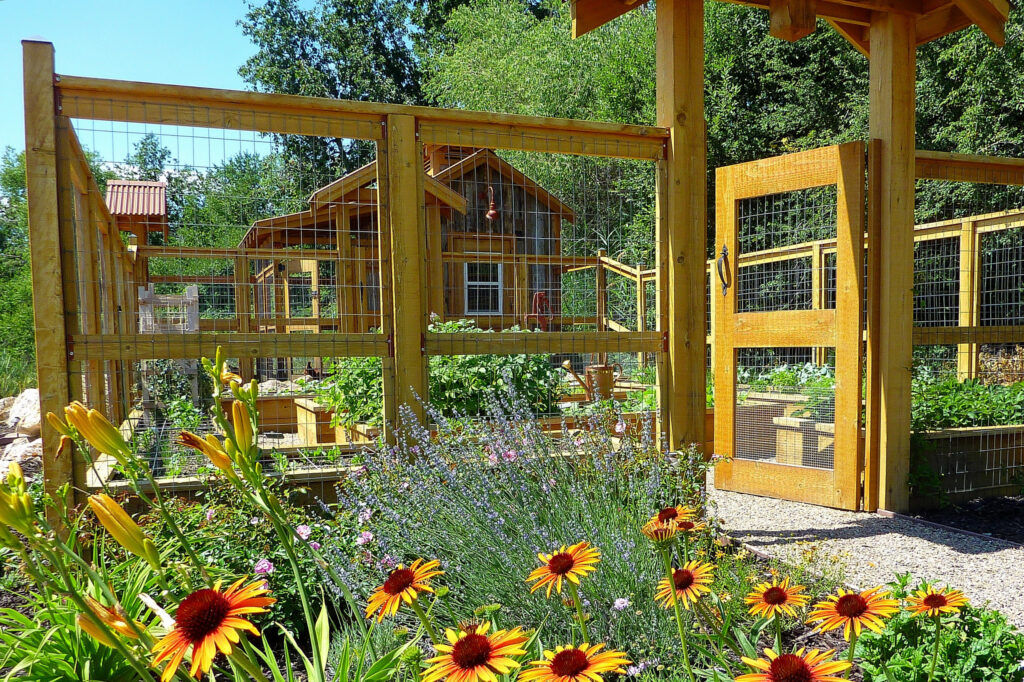
- Place chickens near the garden — their manure becomes compost.
- Keep compost near both kitchen and garden — reduces walking.
- Store firewood within short hauling distance — winter trips add up quickly.
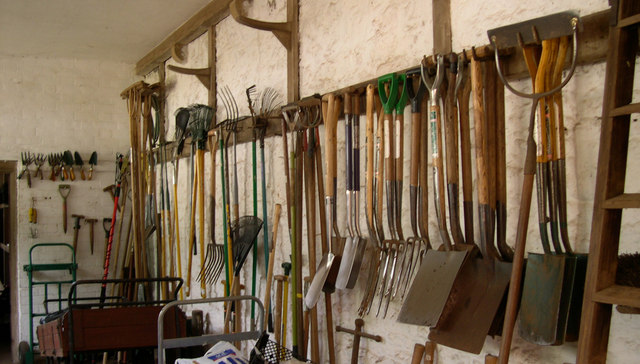
- Keep frequently used tools centrally located — reduces daily friction.
If you walk an extra 100 meters twice per day, that’s over 70 kilometers per year. Efficiency isn’t about laziness. It’s about energy conservation.
Mistake #2: Choosing the Wrong Livestock Numbers
New homesteaders either overbuy or undercalculate.
Let’s be practical.
Chickens
For eggs:
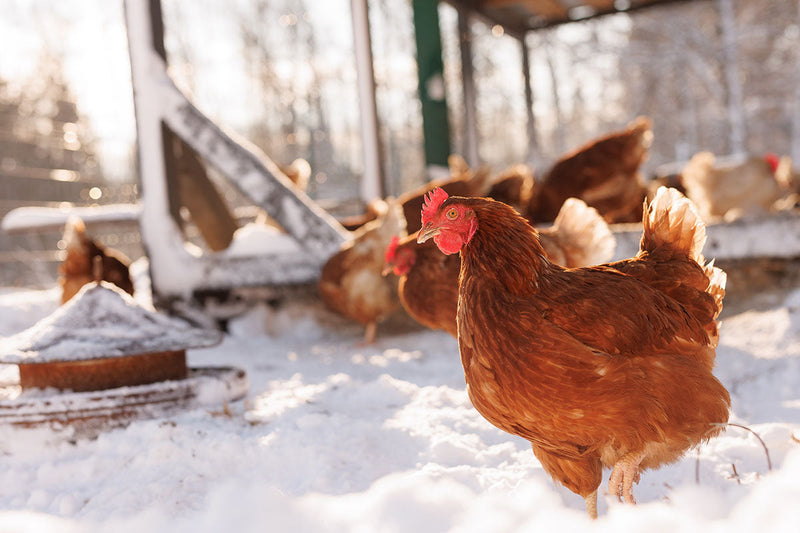
- 3–4 laying hens per adult — produces roughly 15–20 eggs per week in peak season.
- Hens slow dramatically in winter without supplemental light.
- Feed cost averages 0.25–0.35 lbs per bird per day depending on breed and climate — winter intake increases.
If you’re a family of four, 12–15 hens is usually more than enough for household use and occasional surplus.
More birds mean more feed, more bedding, more labor.
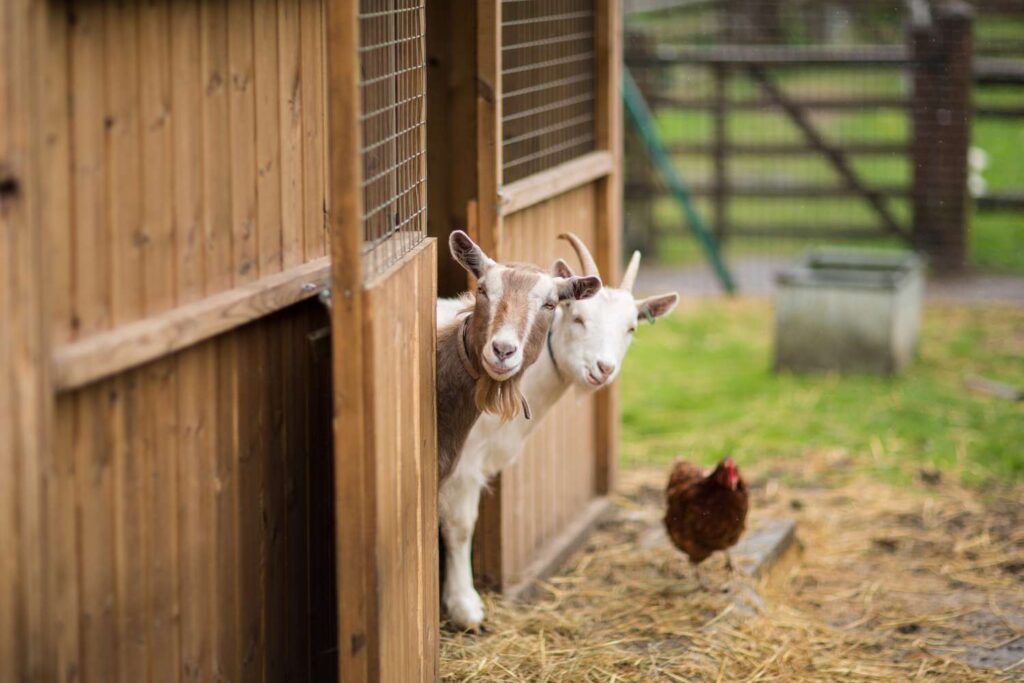
Goats
Goats are not “small cows.” They are specialized animals.
Their main uses:
- Milk production
- Brush clearing
- Occasional meat
- 2 dairy goats minimum — goats are herd animals and stress easily alone.
- A healthy dairy goat can produce 0.5–1 gallon of milk per day during peak lactation.
- Winter feed requirements increase significantly in cold climates.
If you don’t consume milk regularly, goats may cost more than they return.
Livestock must serve a defined purpose — not an aesthetic one.
Mistake #3: Ignoring Return on Investment
Every animal and crop should answer one question:
Does it reduce grocery dependency or create trade value?
For example:
- Chickens convert feed into eggs efficiently — high utility.
- Meat rabbits produce fast protein with small footprint — efficient for limited space.
- A large greenhouse in year one often costs more than it returns — high initial expense.
Think in ratios.
- How many calories per square foot?
- How many labor hours per harvest?
- How much winter storage required?
Efficiency favors compact, repeatable systems.
Designing an Efficient Garden for Maximum Output
In year one, you do not need a half-acre garden.
You need a manageable, intensive space.
Focus on calorie-dense crops:
- Potatoes — high caloric yield per square foot.
- Squash — stores well through winter.
- Beans — protein-rich and storable.
- Carrots and onions — reliable staples.
- Leafy greens — fast growth and quick turnover.
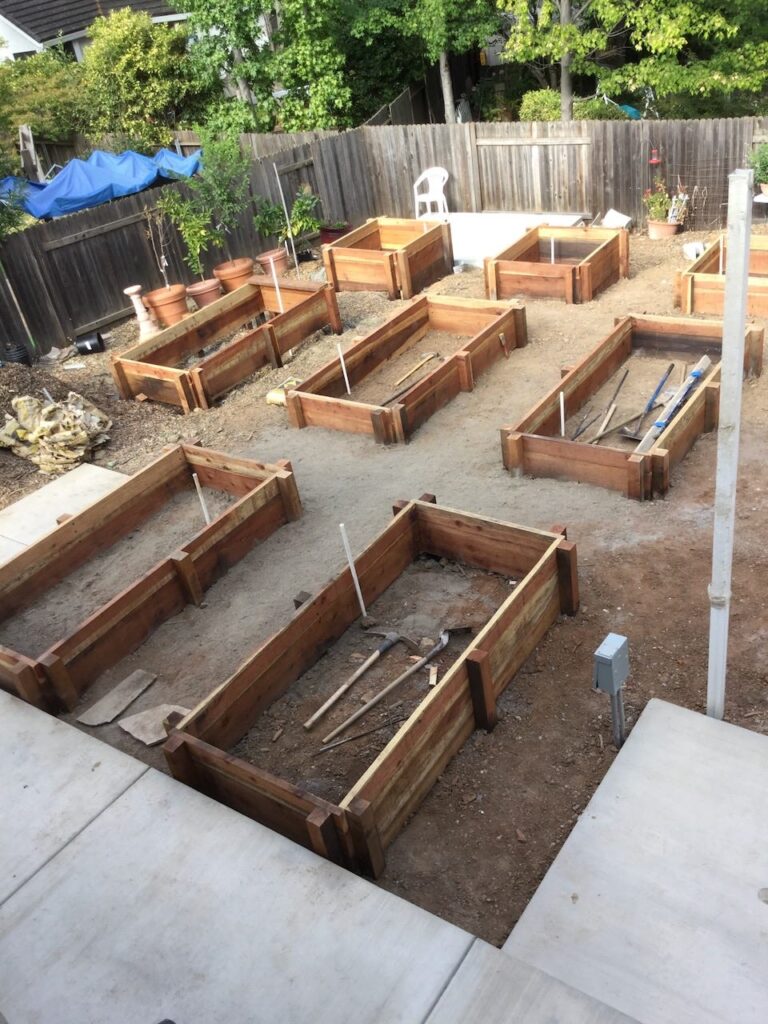
- Raised beds improve soil control — especially helpful in poor native soil.
- Heavy mulching reduces watering needs — critical during dry spells.
- Succession planting maximizes limited space — short-season crops can be replanted.
A 400–600 square foot well-managed garden can produce meaningful food for a small family without overwhelming you.
Mistake #4: Underestimating Feed and Storage Costs
Livestock feed often becomes the largest recurring expense.
Calculate feed before buying animals:
- A laying hen consumes roughly 90–110 lbs of feed annually.
- Two dairy goats can consume over 1,000 lbs of hay per winter depending on size and climate.
- Feed prices fluctuate — buying in bulk before winter often saves money.
Storage is equally important.
- Rodent-proof containers prevent loss — grain attracts pests immediately.
- Elevated hay storage reduces moisture damage — damp hay molds quickly.
A profitable homestead protects its inputs.
Mistake #5: Not Stacking Systems
Efficiency comes from stacking functions.
One element should serve multiple roles.
Examples:
- Chickens fertilize soil and control insects — reducing fertilizer costs.
- Goats clear brush — reducing mechanical clearing labor.
- Compost absorbs kitchen waste — reducing trash output.
- Rain barrels supply irrigation — reducing well pump usage.
When systems overlap, you save time and money.
Isolation wastes resources.
Mistake #6: Ignoring Energy Planning
If you’re partially or fully off-grid, energy efficiency matters.
- LED lighting drastically reduces solar demand — small change, major impact.
- Wood heat requires dry wood stored one year in advance — green wood wastes energy.
- Passive solar window placement reduces heating load.
Energy independence isn’t about producing more power.
It’s about consuming less.
Mistake #7: Measuring Success Emotionally Instead of Practically
Your first year should not be judged by Instagram standards.
It should be judged by stability.
Did your systems survive winter?
Did you reduce grocery bills slightly?
Did you improve soil quality?
Did your infrastructure hold?
- Track grocery savings monthly — even small reductions compound annually.
- Track firewood consumption — improves next year’s planning.
- Track yield per crop — reveals what performs best in your climate.
Progress is data-driven.
A Practical First-Year Efficiency Blueprint
If I were starting fresh today, here’s how I’d structure year one for maximum return and minimal burnout:
- Build a 500 sq ft intensive garden.
- Raise 8–12 laying hens maximum.
- Delay goats until fencing, water, and feed storage are solid.
- Install rainwater collection early.
- Cut 25–30% extra firewood before winter.
- Invest in soil improvement over expansion.
That’s enough.
Enough to learn. Enough to grow. Enough to build confidence.
Final Thoughts
An efficient homestead is not large.
It is intentional.
It minimizes wasted movement.
It minimizes wasted feed.
It minimizes wasted labor.
And it maximizes skill, output, and resilience.
Your first year is not about abundance.
It is about alignment.
If you align layout, livestock numbers, crop choice, and seasonal planning, you build a homestead that strengthens you instead of draining you.
And that’s the real goal.